
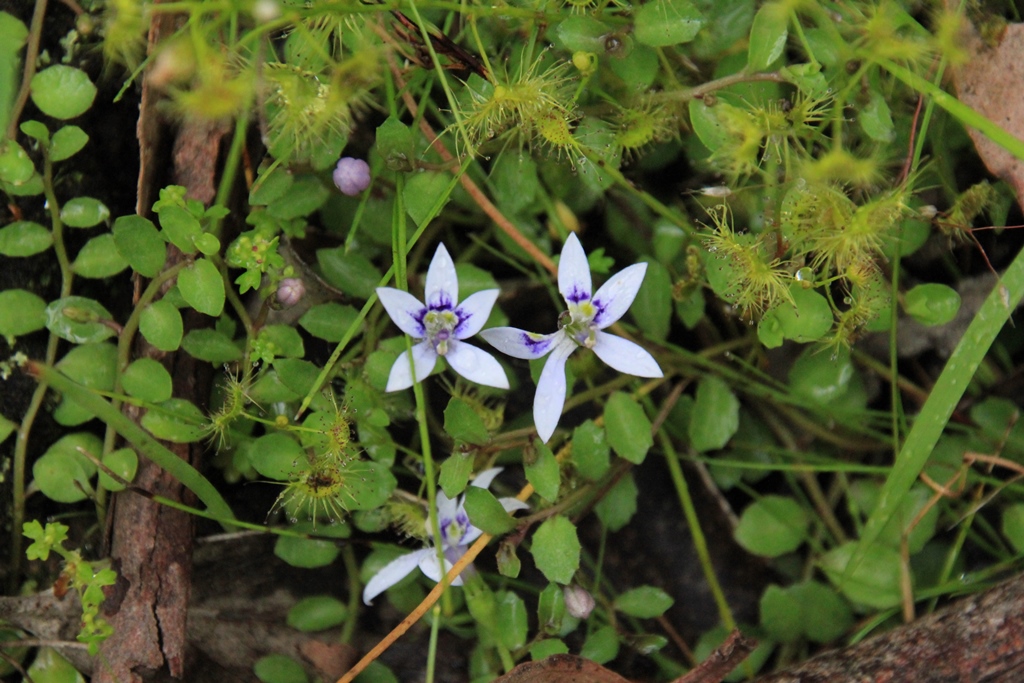
According to the field guides I consulted, the Swamp Isotome grows seasonally in moist depressions. I didn’t really think we had any moist depressions as the soil is very sandy and doesn’t hold water for long. When I think about it, the seepage from the dam probably flows beneath the spot they were … Continue reading Swamp Isotome (Isotoma fluviatilis subsp. australis)
Category: Native Species List
This is a photographic record of native wildlife and plant species we have found on our property.
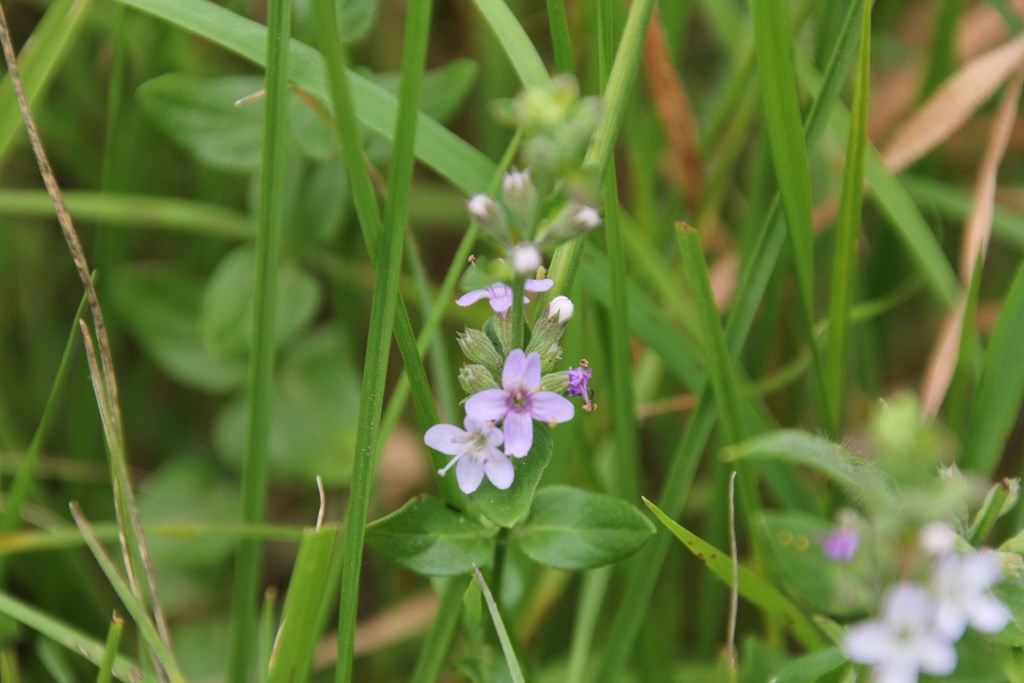
Slender Mint (Mentha diemenica)
In December when most plants had finished flowering, I noticed some pale purple flowers huddled in among long grass. Initially, identification eluded me, so I picked a leaf off one of the plants and crushed it in my fingers. It had a faint, but very distinct, mint scent. Still it eluded me as the flower … Continue reading Slender Mint (Mentha diemenica)

Jewell Spider (Austracantha minax)
I have photographed the Jewell Spider or Six Horned Spider, or Christmas Spider (among other names for this creature) previously, showing the white spots on the upper body. This time I was able to photograph the underside of the spider. The white and yellow dots indicate this is a female spider. The male is smaller, … Continue reading Jewell Spider (Austracantha minax)

Parson’s Bands (Eriochilus cucullatus)
The first Orchids of Autumn are beginning to emerge. On my walk today I found four Parson’s Bands Orchids in different locations. All were slightly off the beaten track, but not so far that I couldn’t see them while walking on a track. All were growing beneath the shelter of a larger plant. Two of … Continue reading Parson’s Bands (Eriochilus cucullatus)

Gum Leaf Katydid (Torbia viridissima)
Yesterday, as I stepped out to get the mail, I noticed a large green insect on the deck. It turned out to be a “leaf insect” or Katydid. Initially I took photos with my standard lens, but I soon realised it was an ideal subject for my new macro lens. The insect kept moving, so … Continue reading Gum Leaf Katydid (Torbia viridissima)
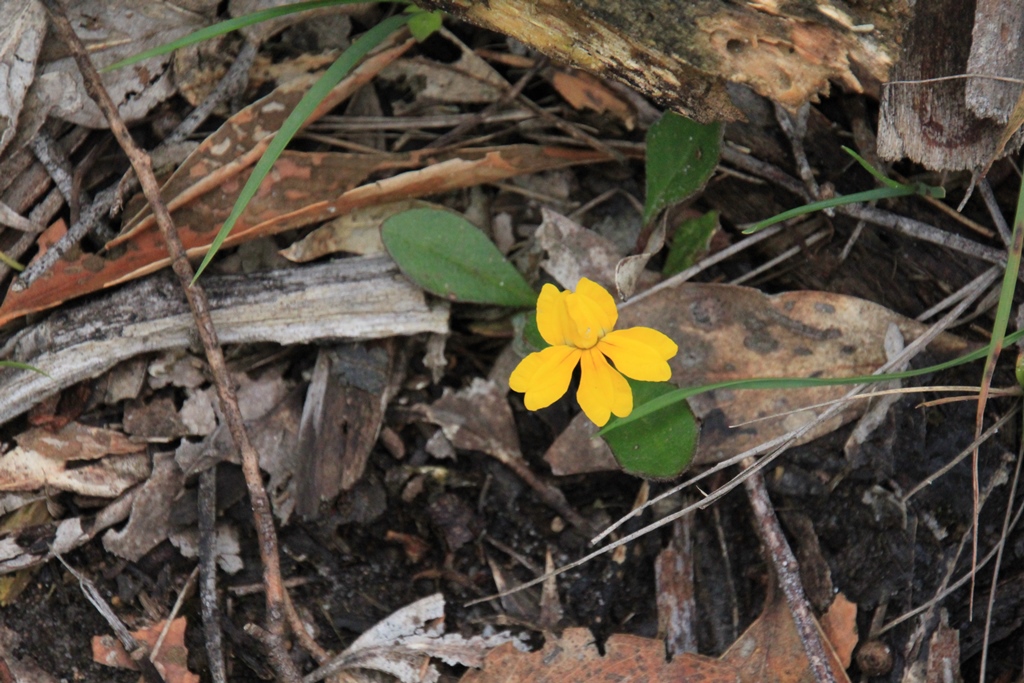
Trailing Goodenia (Goodenia lanata)
I can’t help wondering why it has taken me so long to post the Trailing Goodenia which is one of the most prolific flowering plants we have here in Spring. It is one of the first Spring flowers to appear and continues flowering right into early Summer. We also find them in most parts of … Continue reading Trailing Goodenia (Goodenia lanata)

Common Blackbird
It astounds me how many of the new additions to the Bird Species List have been photographed inside the cat enclosure. Here is another one! Although, due to its size, I can’t imagine how it got into the enclosure. Thankfully I noticed it before the cats caught it, and was able to catch and release … Continue reading Common Blackbird
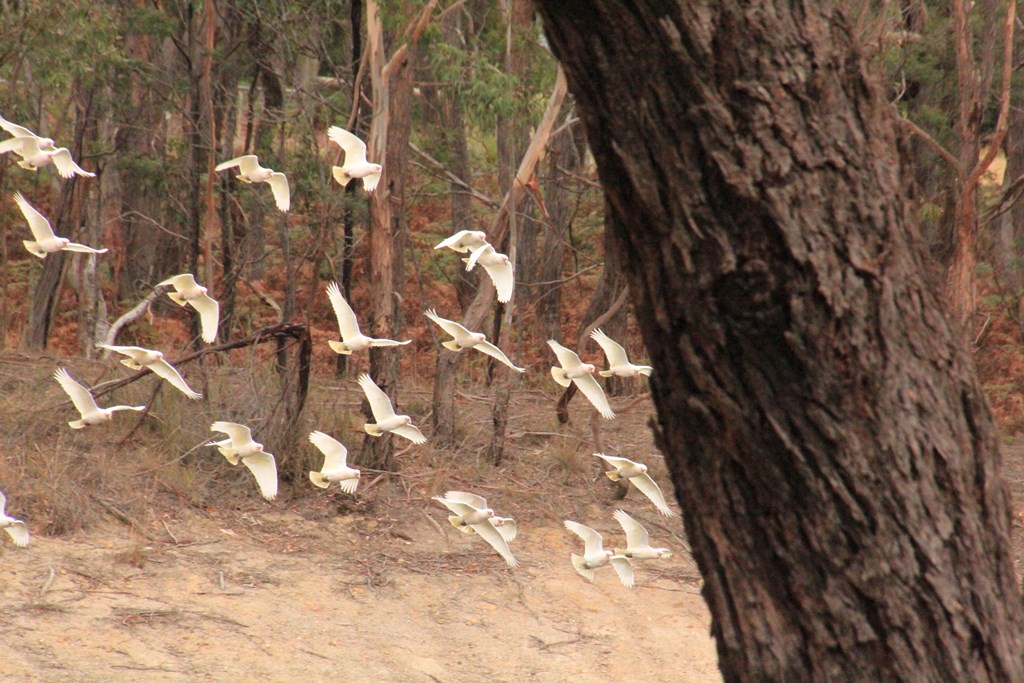
Long-Billed Corella Flocks
A couple of weeks ago I wrote about a single Long-Billed Corella which is often seen with a small flock of Sulphur-Crested Cockatoos. I wrote that the flock of Corella we see fly over us twice each day NEVER stops here. Almost as soon as I published that post we have been visited by … Continue reading Long-Billed Corella Flocks

Salmon Sun-orchid (Thelymitra rubra)
The emergence of the Salmon Sun-Orchids occurred in mid-October. It coincided with an illness, an awkward photographic position and low light, so I resolved to come back the next day and photograph them properly. Unfortunately I didn’t make it back for two or three days. By the time I got back to look for them, … Continue reading Salmon Sun-orchid (Thelymitra rubra)

Pink Eye (Tetratheca Ciliata)
The last two weeks have flown by in a whirl, and I realise I have missed last week’s plant species, so this week I will post a couple. The first is Pink Eye, a relative of the Black-Eyed Susan flower. While the flowers of the two plant species may look similar, the leaves are different. … Continue reading Pink Eye (Tetratheca Ciliata)

Calling all Australian Native Pea Experts…. Help!
I took this photograph in October, and ever since then I have been trying to identify the species. I can’t see a flower that looks exactly like this one, with the long elegant lower lobes and the clear red which shows between them. My best guess, due to the cluster shape and the leaves, … Continue reading Calling all Australian Native Pea Experts…. Help!

Just one of the flock: A confused Corella
We’ve noticed a single Corella flying and eating with a flock of Cockatoos. Not once, but over an extended time period. Does it think it is a Cockatoo or has it decided that they have a better lifestyle than the flock of Corellas that flies over the property twice a day? It doesn’t even seem … Continue reading Just one of the flock: A confused Corella
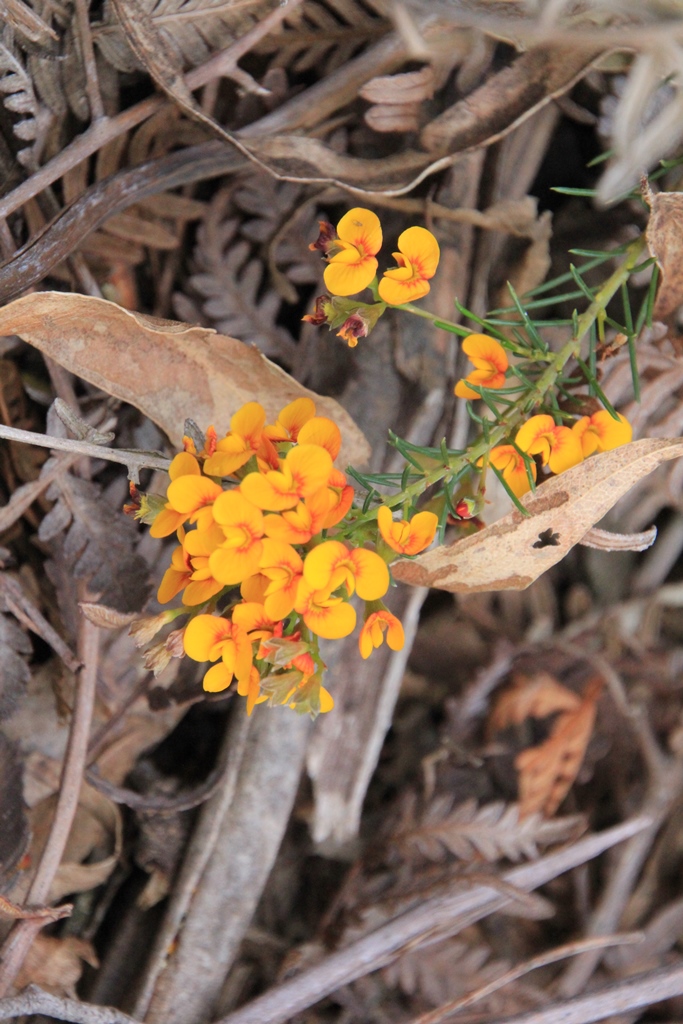
Bushy Parrot-Pea (Dillwynia ramosissima)
Identifying Australian Native pea flowers is very difficult. I have many photographs of flowers that look slightly different, and I have spent days trying to work out whether they are the same species or different species. In my search I have discovered that there are many different species of Bush-pea, Bitter-pea, Parrot-pea, Wedge-pea, Flat-pea and … Continue reading Bushy Parrot-Pea (Dillwynia ramosissima)
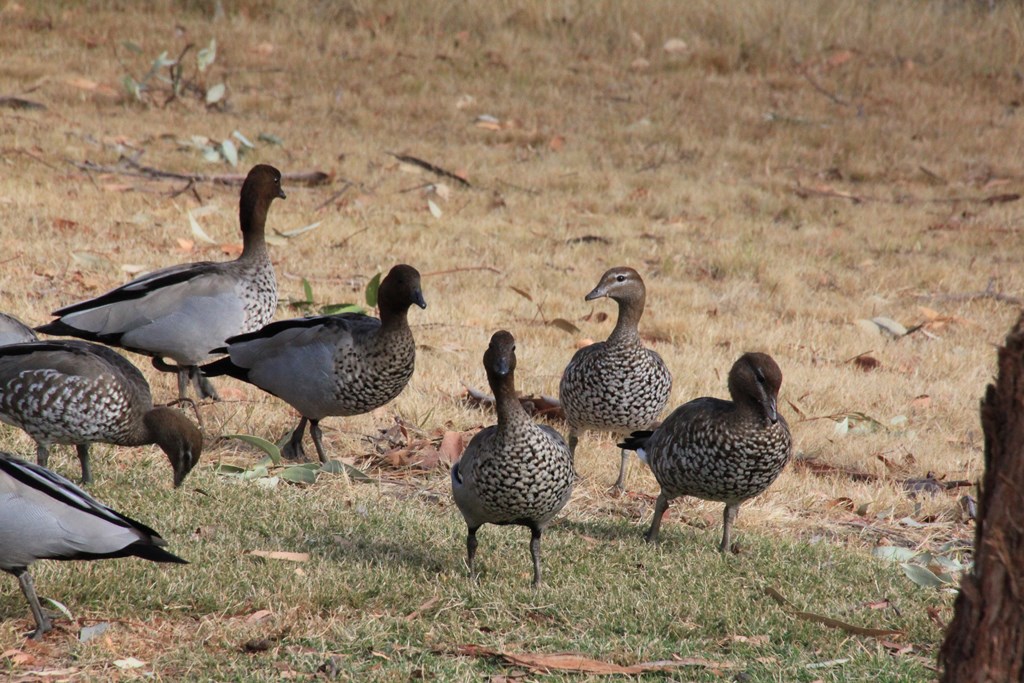
Australian Wood Ducks
It has been quite a busy week. In those moments where I just want a break, I have been very thankful for the return of the Australian Wood Ducks which are back after spending the Summer elsewhere. For some reason, they seem much more relaxed near the house, which is fantastic. It has given … Continue reading Australian Wood Ducks
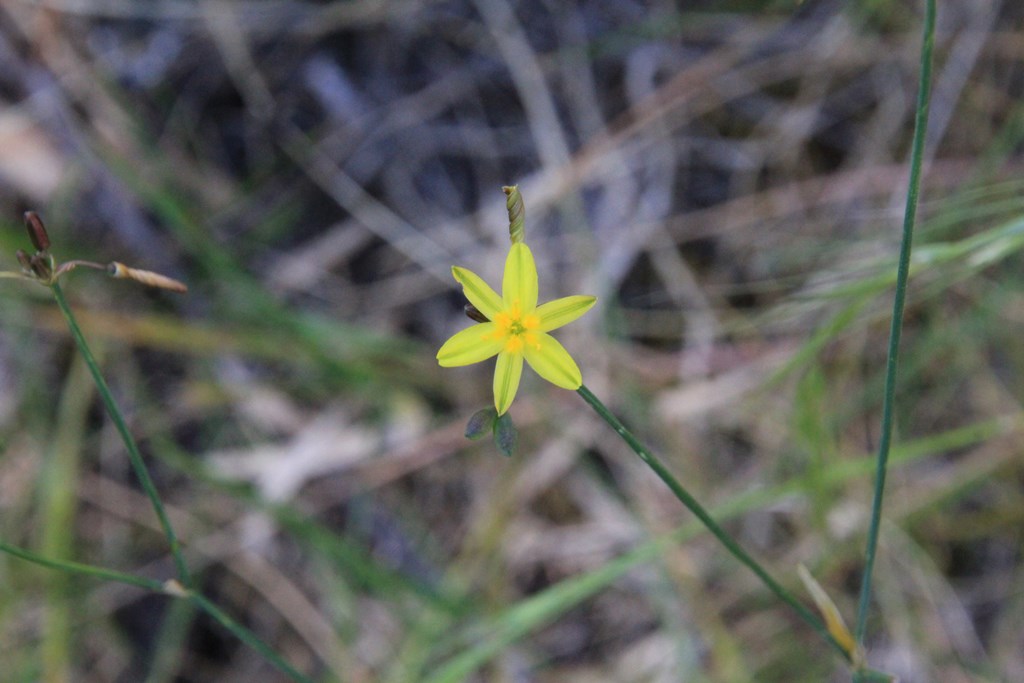
Yellow Rush-lily (Tricoryne elatior)
I photographed these Yellow Rush-Lily flowers at the very end of December, and they were still flowering into January. In these hot Summer months, few flowers are in bloom, so I was ecstatic that they were so plentiful, and also that they took on a different form from many of the wild lily flowers, … Continue reading Yellow Rush-lily (Tricoryne elatior)
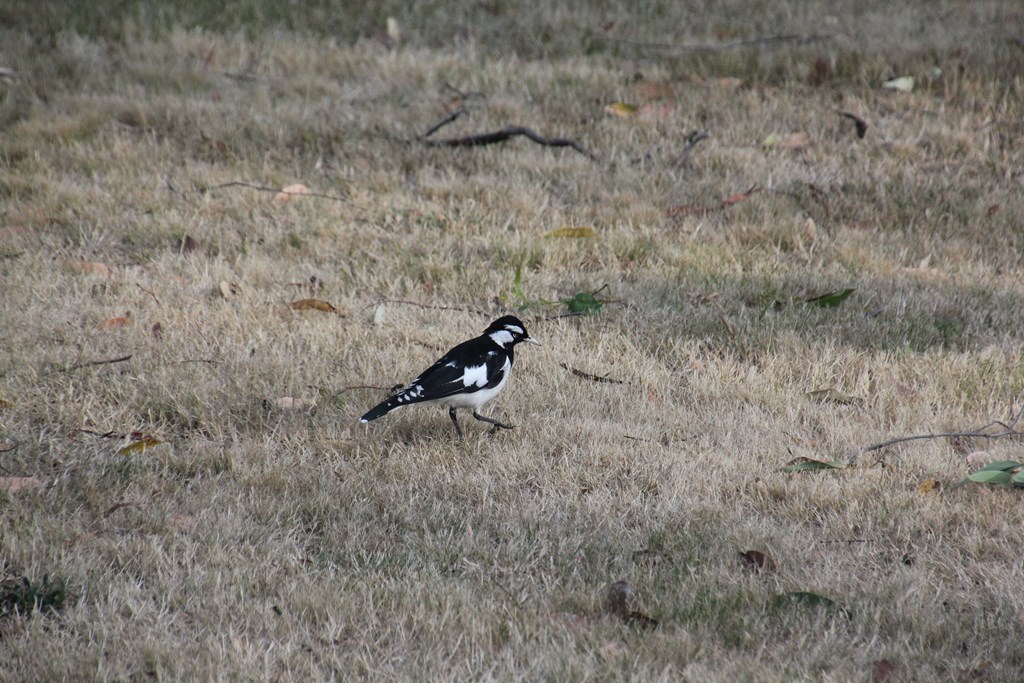
Mudlark or Magpie Lark
I’ve grown up calling these birds Mudlarks, and have always had them around my home. When I was a child, we rescued an almost fledged chick, which managed to tumble from a nest at the top of an electricity pole. There was no hope of getting it back up there, so we kept in inside … Continue reading Mudlark or Magpie Lark

Black-Faced Cuckoo Shrike
Strolling around with my camera mid-afternoon on a hot January day, I saw this fellow sitting high in a tree: a Black-Faced Cuckoo-Shrike. These are the times when I wish I had a telephoto lens. The bird was just sitting there, relaxed and I had the opportunity to take several shots before it moved to … Continue reading Black-Faced Cuckoo Shrike
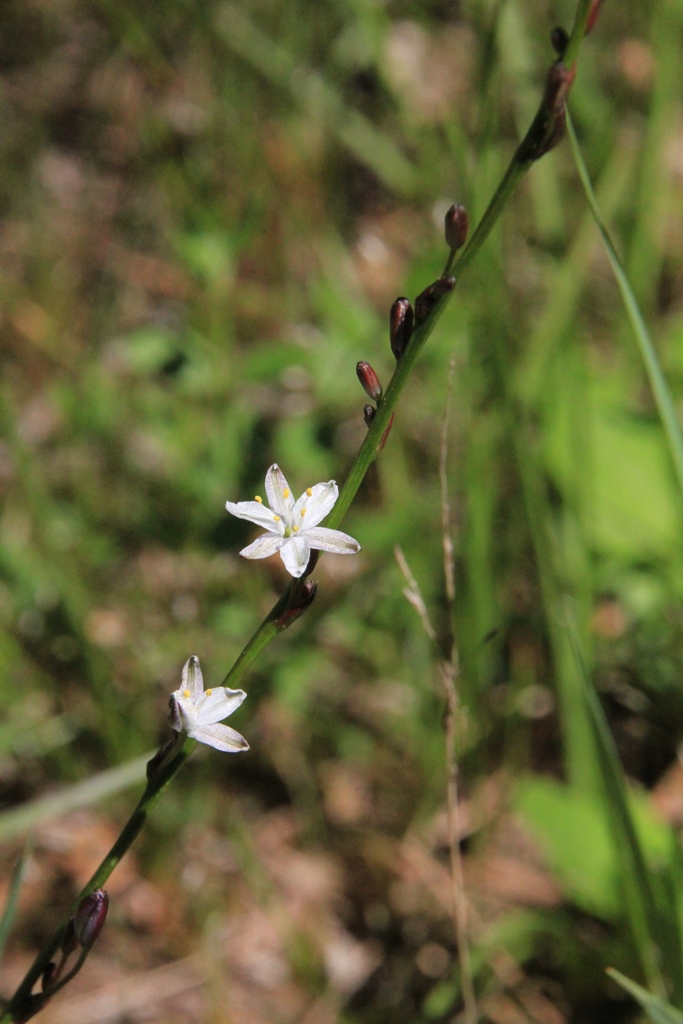
Pale Grass-lily (Caesia parviflora)
Although the field guides I consulted describe this flower as ‘blue to lilac – rarely greenish-white” I do believe we have the greenish-white Pale Grass-Lily growing here. Searching for white lilies that grow in the Corangamite region on the VicVeg website, I found images of the Pale Grass-Lily that were white-flowered, like ours. Perhaps the … Continue reading Pale Grass-lily (Caesia parviflora)
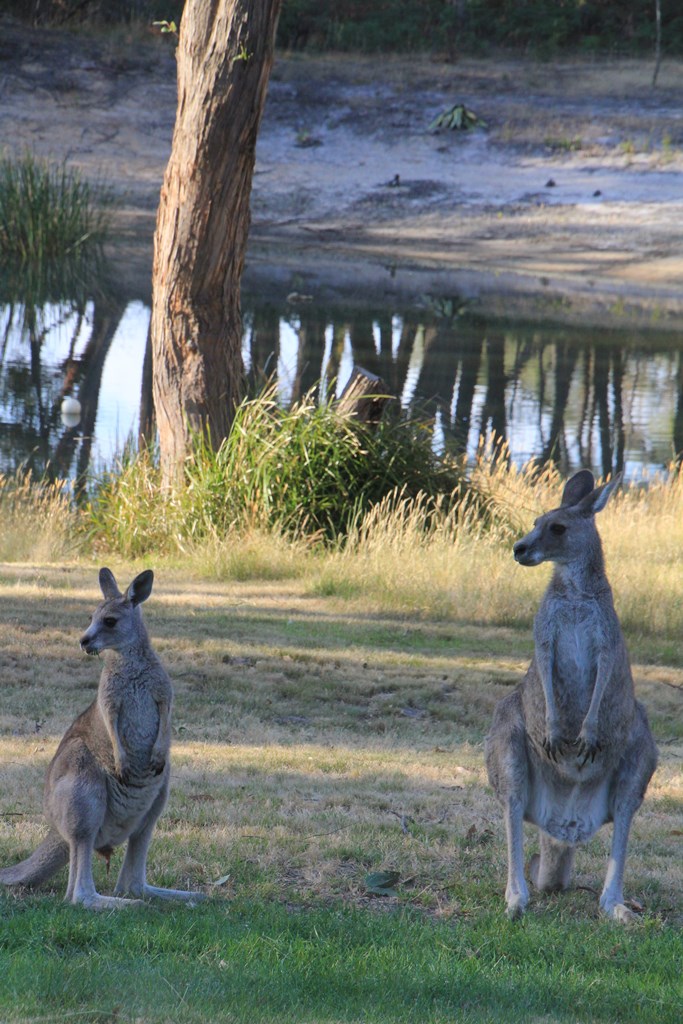
Oops! It’s a boy!
Using adult Eastern Grey Kangaroo sex identification markers, I seized on the joey’s white chest fur to boldly proclaim that it was a female in an earlier post. As the joey grows and matures, the white fur is turning brown and it is becoming increasingly obvious that I was wrong. He’s all boy! Most mornings … Continue reading Oops! It’s a boy!

Slender Onion-orchid (Microtis parviflora)
In mid-December, when I bent down to look at a Pale Vanilla-Lily flower, I noticed these Slender Onion Orchid spikes nearby. Thankfully my friend had alerted me to look for them, or I may have just passed them over. The flowers are so tiny that they don’t immediately catch the eye. Among the information I have … Continue reading Slender Onion-orchid (Microtis parviflora)

Learning to Carol
Two young Magpies have taken to using the bird feeder as a convenient platform while learning how to carol. At the moment they produce a mix of squeaky or rasping twiddles and trills that are often grating to the ear, but over time they are developing some melodic notes. I know when they mature their … Continue reading Learning to Carol

Milkmaids (Burchardia umbellata)
Also called the Star-of-Bethlehem and known to the Indigenous Koorie population as Popoto, the cheerful Milkmaid blooms were present for most of Spring and into early Summer. We found them mostly in the bushland at the back of our property, but occasionally one or two would pop-up in other areas. A member of the Liliacea … Continue reading Milkmaids (Burchardia umbellata)
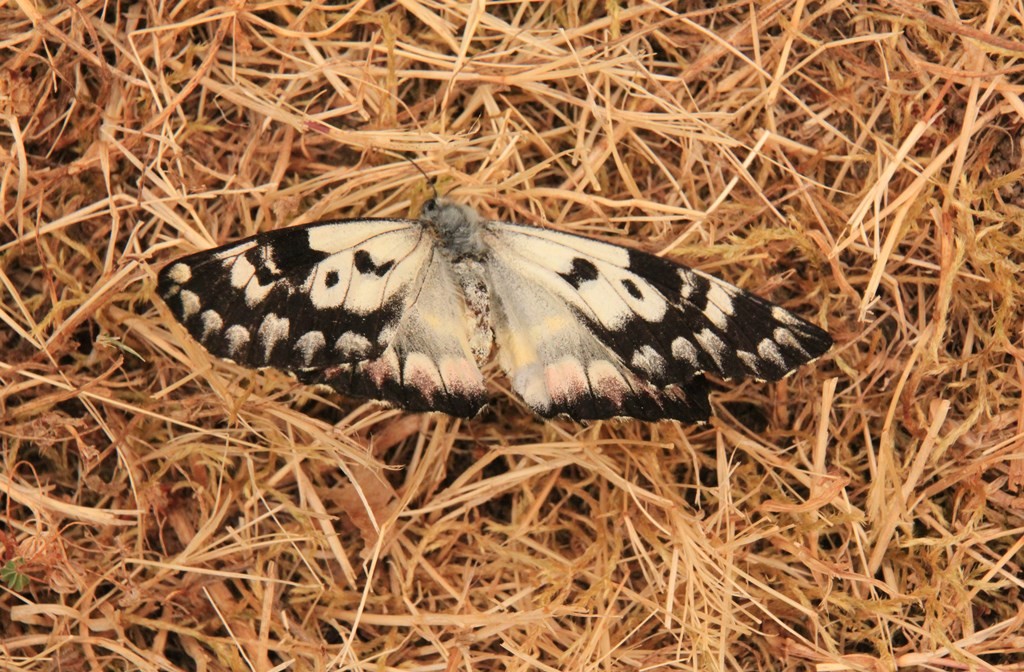
Spotted Jezebel (Delias aganippe)
The four days of intense heat have played havoc with the butterfly population. We saw many around the perimeter of the house, seeking a cooler spot. Some of them perished in the process. When I took the first of these two photographs, this Spotted Jezebel butterfly was alive. Unfortunately, we found it dead the next day. … Continue reading Spotted Jezebel (Delias aganippe)

Twining Glycine (Glycine clandestina)
This week’s addition to the A – Z Plant Species list is a purple pea-like flower. The pea family of plants native to Australia is very large, and many species look pretty much the same. Based on our location, the fact that the flower has white patches (not yellow) the longer hairy stem, and the … Continue reading Twining Glycine (Glycine clandestina)
 Fifteen Acres